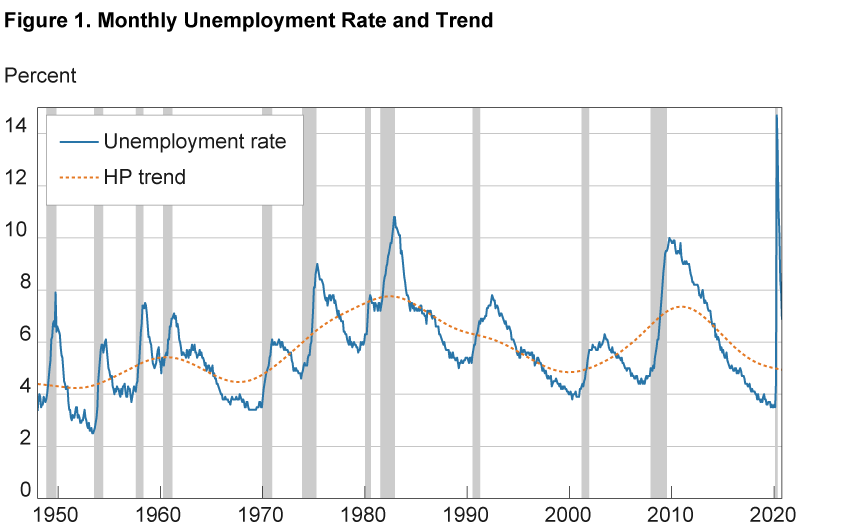
I know from the perspective of the Fed, this is a good thing. It makes slowing the rate of interest rate increases an easier decision. However, that's a very short and narrow take on what's happening underneath. Check out this chart (https://www.clevelandfed.org/-/media/project/clevelandfedtenant/clevelandfedsite/publications/economic-commentary/2021/ec-202101-recessions-and-the-trend-in-the-us-unemployment-rate/ec202101-img1w.png?extension=webp&hash=E2FBD5E7A6BDC7AF7A4AC26D4C4CB8BD) , EVERY SINGLE RECESSION IN OUR COUNTRY'S HISTORY followed peak employment into rising unemployment. Couple that with the inverted yield curve having predicted 7 of the last recessions and this time being the most inverted it's been since the 70's, and those are two very strong signals for an upcoming slowdown/recession. We're already seeing cracks forming in regional banks, which do not have the same regulations as the big national banks, corporate real estate is in a credit crunch, and the consumer is slowing and running out of savings. As you can see in that chart, unemployment tends to accelerate fairly quick after peak employment is reached. I think we'll being seeing the real effects of this downturn in the 3rd quarter, which likely means the equity markets will be pricing it in during the 2nd quarter.
Leave a Reply